Why do many urban condominiums fail to inspire creativity?
- Lack of natural light and connection to nature
- Monotonous design
- Sensory deprivation
- Focus on profit
Overview
- Many condominiums promise modern convenience but overlook one crucial element—creativity.
- Poor lighting, monotonous designs, and profit-driven planning often result in lifeless spaces that stifle inspiration.
- This article explores why many urban condos fail to inspire creativity and how developments like Shang Summit redefine city living by blending thoughtful design, wellness, and artistry into every detail.
Condominiums rise as symbols of modern living. Yet behind their polished facades, many of these urban spaces often fail to nurture one essential element of human growth: creativity.
While they promise functionality and proximity to work and leisure, too many are designed purely for efficiency and not inspiration. The lack of natural light, sterile layouts, and uninspired interiors can make daily life feel mechanical rather than meaningful.
Understanding why many urban condominiums fail to inspire creativity reveals the deeper truth about modern living. Read on to learn more.
Lack of Natural Light and Connection to Nature
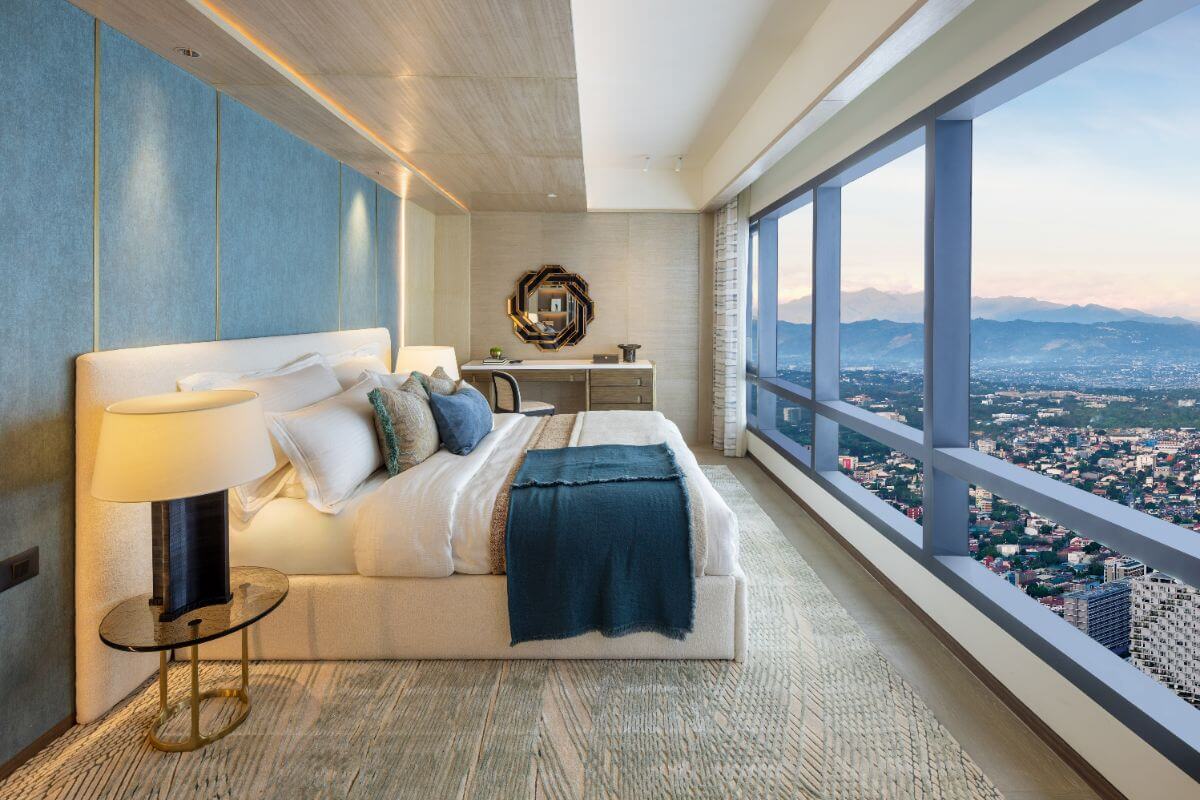
Developers often design cityscapes with efficiency as the top priority, maximizing the number of sellable units instead of incorporating spacious windows or outdoor connections.
This leaves residents in dimly lit spaces with poor airflow and little to no access to greenery or natural views.
While it optimizes floor space, it removes the natural elements that bring life into a home. Natural light regulates your body’s rhythm, boosts mood, and fuels creativity, while greenery eases stress and restores focus.
Without these vital elements, residents end up in flat, uninspiring spaces that drain energy, dull creativity, and hinder productivity.
Monotonous Design
Many urban units adopt a standard design approach, such as uniform layouts, identical finishes, and repetitive floor plans across every level.
Developers often prioritize cost savings over individuality, creating spaces that feel impersonal. Instead of reflecting character or diversity, these cookie-cutter designs strip away the sense of connection residents should feel toward their homes.
Without distinct features that inspire or delight, residents struggle to feel motivated or creative—leaving their homes feeling like nothing more than another predictable box in the skyline.
Sensory Deprivation
Some residential buildings neglect sensory variety, resulting in stark hallways, bare common areas, and units stripped of thoughtful detail.
When developers overlook meaningful amenities, such as communal lounges, green spaces, and wellness areas, they create environments that feel sterile instead of stimulating.
Humans thrive in spaces that engage the senses through light, texture, and sound. Without these sensory cues, daily life feels monotonous, draining creativity, motivation, and emotional well-being.
Focus on Profit
Many developers prioritize profit over the resident experience, focusing on maximizing returns instead of enriching daily living. This mindset often produces smaller units, cheaper materials, and the absence of spaces that nurture leisure, creativity, and community.
When profit drives design, homes lose their soul. Residents may eventually feel uninspired, disconnected, and undervalued. They live in spaces that meet basic needs but fail to support growth, rest, or imagination.
The Hidden Cost of Poorly Planned Spaces
The constant lack of stimulation and restorative spaces heightens stress and makes residents more vulnerable to anxiety, depression, and burnout.
When living environments fail to promote wellness or social connection, people begin to feel isolated, lose resilience, and struggle to stay focused on long-term goals.
This mental fatigue doesn’t stay confined at home—it affects work, relationships, and overall fulfillment.
A home that doesn’t nurture creativity and well-being slowly drains one’s quality of life, turning lifestyle upgrades from mere luxuries into necessities for lasting mental and emotional health.
Rethinking the Role of Residential Living
A home should be a foundation for mental, emotional, and social health. Thoughtfully designed residences recognize that surroundings influence behavior, mood, and productivity.
Investing in a residence that prioritizes well-being allows individuals to reclaim time, reduce stress, and cultivate habits that support long-term life satisfaction.
A home that nurtures creativity and mental health does more than provide comfort. It actively enhances the quality of daily living, setting the stage for a more balanced, fulfilled lifestyle.
What Sets Shang Summit Apart
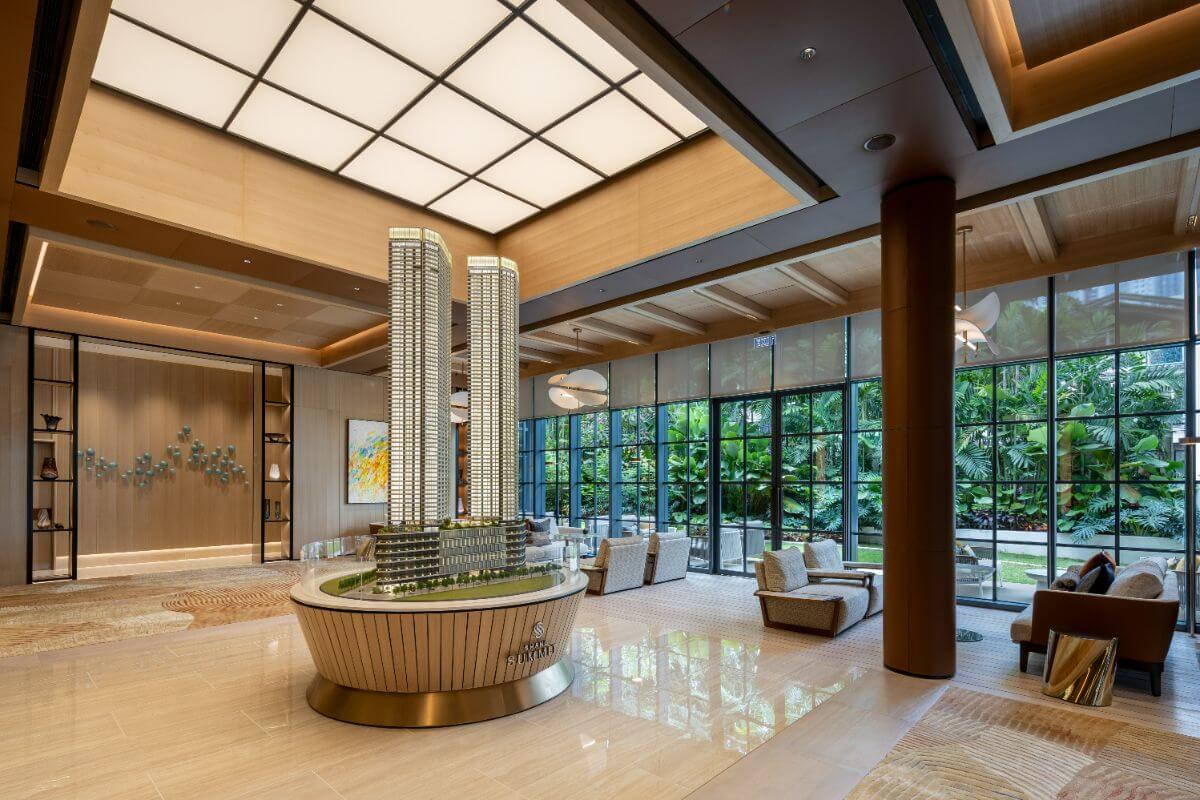
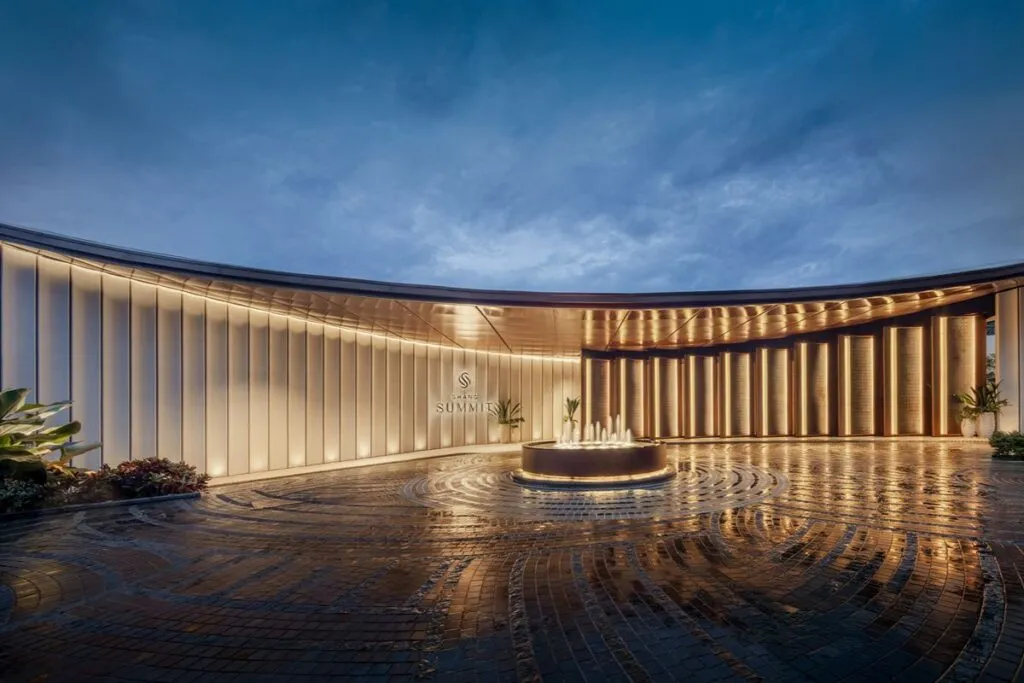
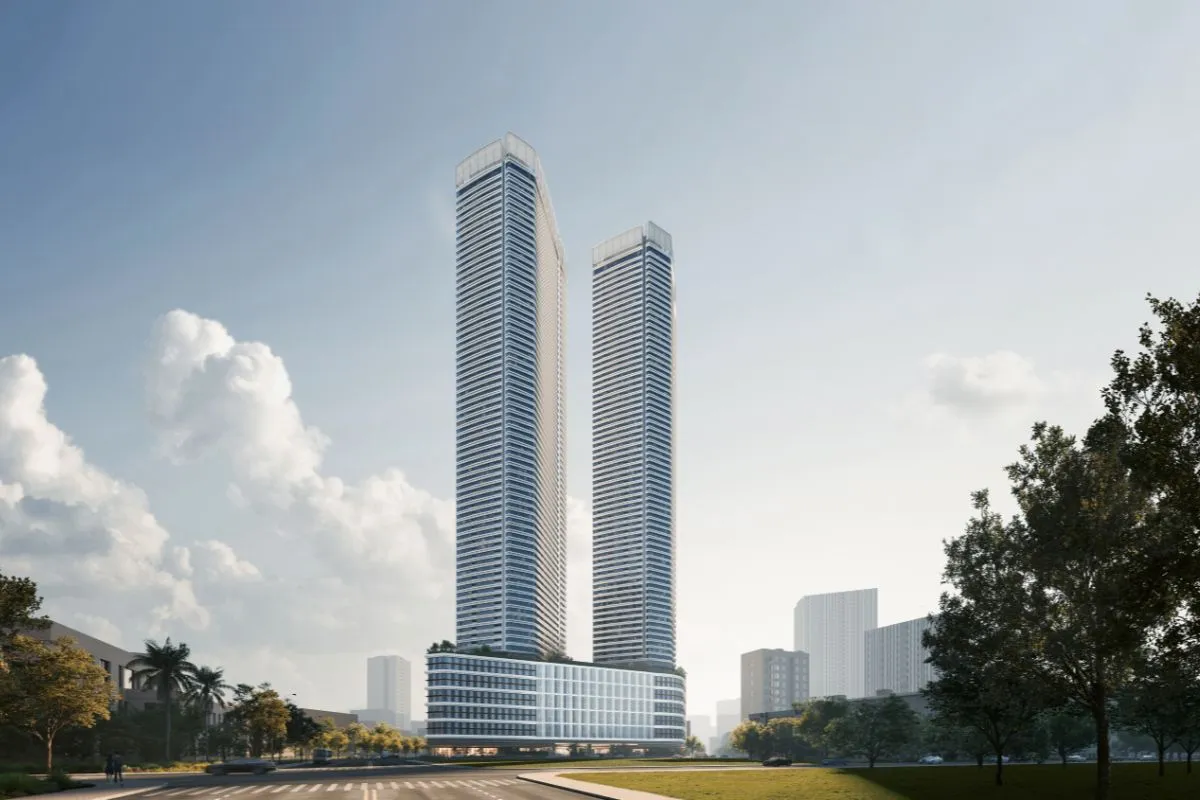
Shang Summit redefines urban living by integrating design, amenities, and services that actively support residents’ well-being, creativity, and overall quality of life. Key features include:
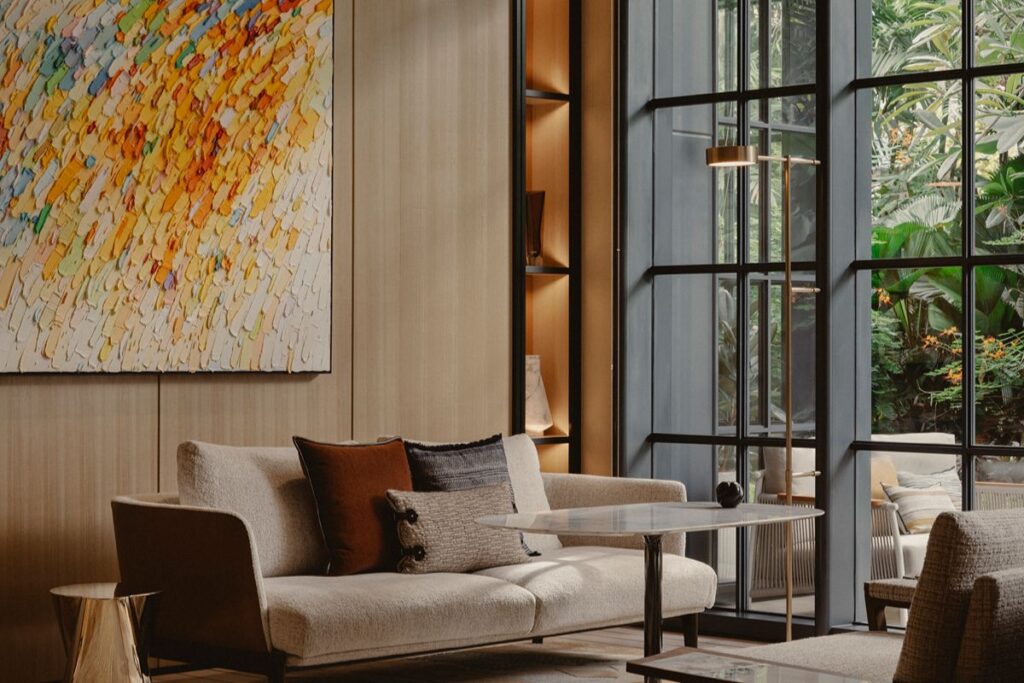
- Abundant Natural Light and Green Spaces: Spacious windows, terraces, and thoughtfully landscaped areas bring in sunlight and nature, improving mood, focus, and creativity.
- Distinctive Design and Layouts: Each unit is carefully crafted to avoid monotony, providing character, flexibility, and personalization opportunities.
- Wellness and Recreational Amenities: Communal spaces, gyms, lounges, and wellness facilities engage the senses and promote relaxation and social connection.
- High-quality Materials and Finishes: Attention to detail and superior materials create an inspiring, comfortable, and lasting living environment.
- Resident-centered Services: Concierge, maintenance, and lifestyle services reduce daily stress, allowing residents to focus on personal growth and leisure.
By combining these elements, Shang Summit provides more than a home. It fosters an environment that actively nurtures creativity, mental health, and a balanced lifestyle.
Key Takeaway
Recognizing why many urban condominiums fail to inspire creativity helps you see the hidden impact of poorly planned spaces on mental well-being and productivity, helping you know the best investment to make in residential high-rise living.
Do you want to live in luxury that truly inspires creativity? Contact us at Shang Summit today, and let us guide you to the perfect high-rise home.