Overview
- Budgeting for a pre-selling condominium in Quezon City requires careful planning and foresight to manage both upfront and long-term costs.
- Key steps include setting a realistic budget ceiling, understanding major expenses, and accounting for potential risks.
- By having a structured approach and asking the right questions, buyers can make informed decisions that balance affordability with lifestyle and investment goals.
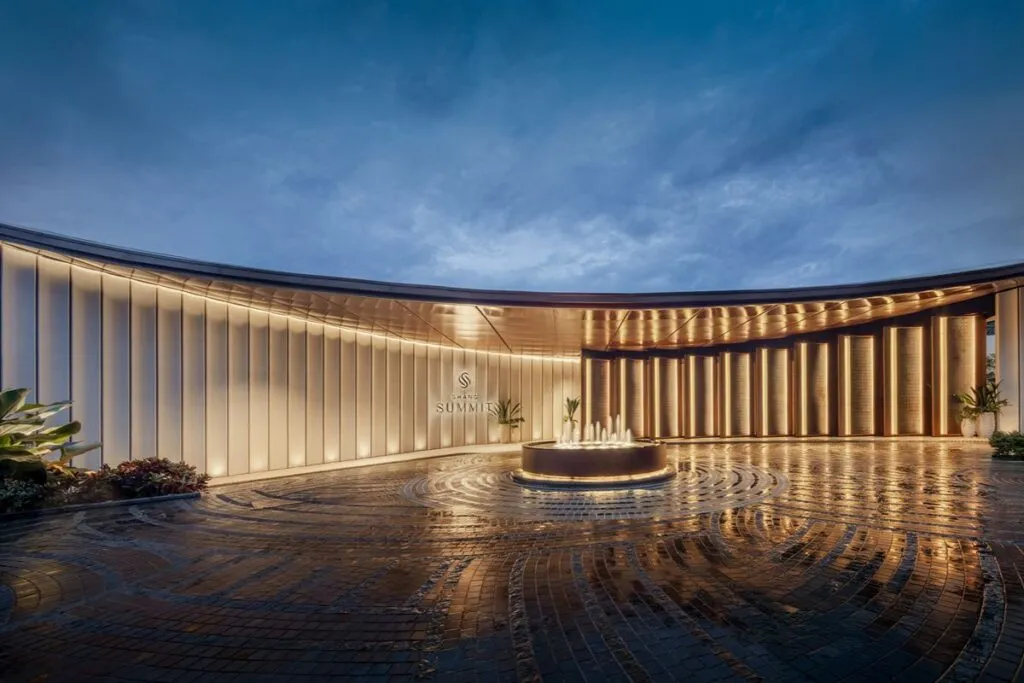
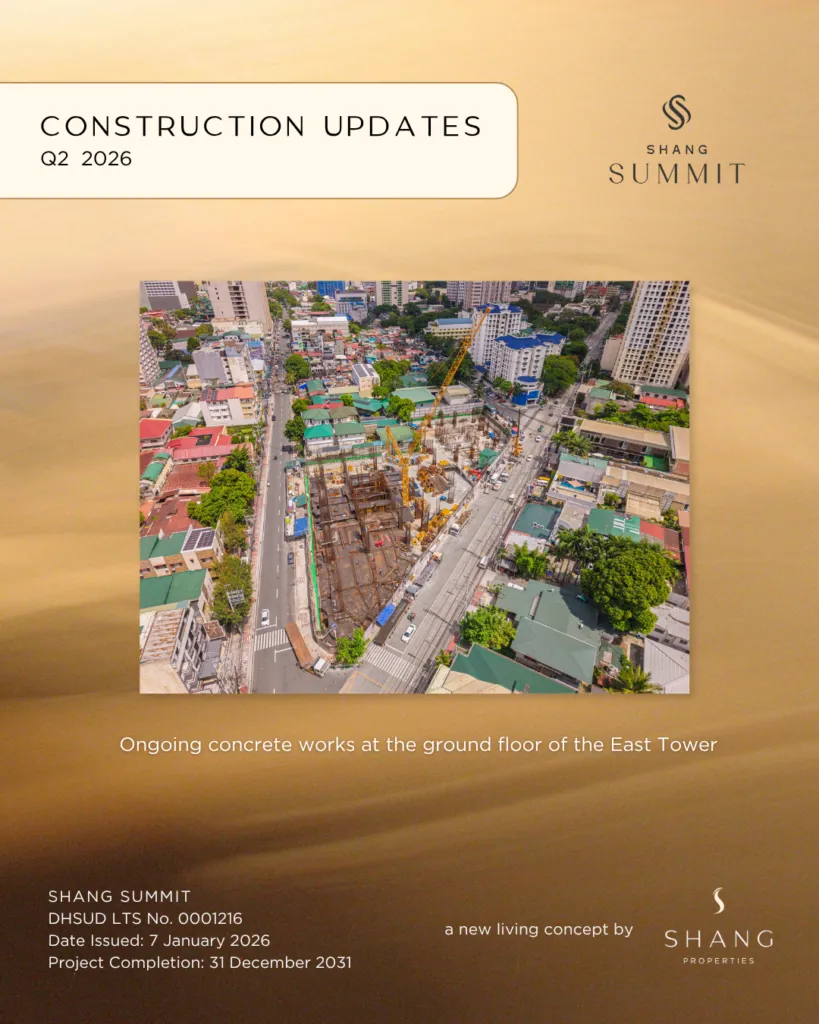
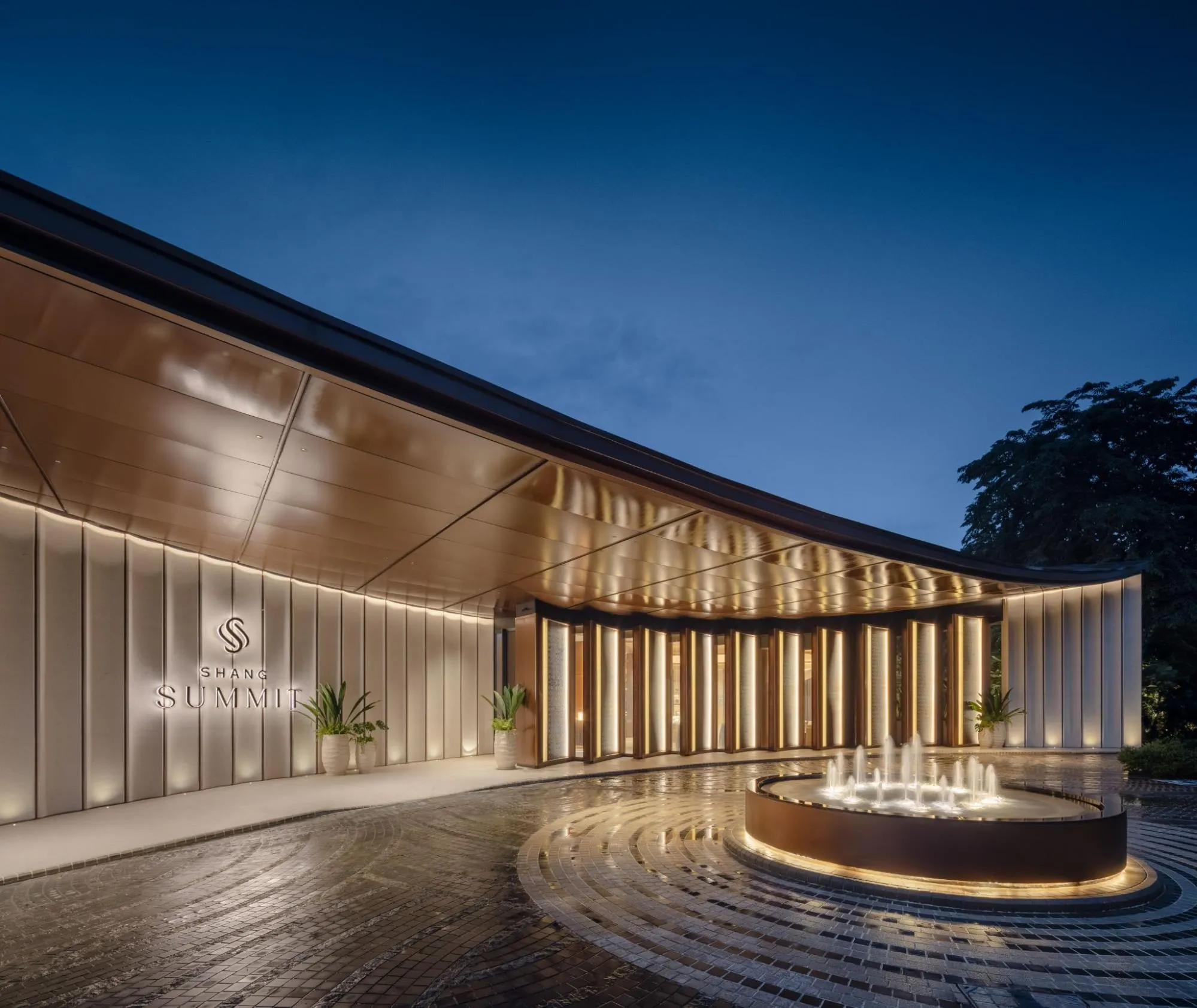
Quezon City has become one of Metro Manila’s most dynamic real estate hubs, where lifestyle, accessibility, and investment potential converge, and for those looking to invest in this thriving city, Shang Summit offers premium pre-selling units designed for modern urban living, combining accessibility, quality, and investment potential in one address
Its thriving business districts, top universities, and growing cultural scene make it ideal for professionals seeking independence or families aiming to settle near the city’s conveniences.
But with progress comes competition and cost. That’s why learning how to budget for a pre-selling condominium in Quezon City is essential. By planning early, you can secure a unit at a better price point, manage long-term expenses, and enjoy the rewards of city living without financial strain.
Establish Your Budget Ceiling

Start by defining the maximum amount you can comfortably spend without compromising your other financial goals. This figure should include not only the property price but also additional costs such as fees, taxes, and furnishings.
A good rule of thumb is to allocate no more than 30% of your monthly income toward housing expenses. For a pre-selling condominium, this means planning ahead for the down payment period and the eventual amortization after turnover.
A well-defined ceiling gives you clarity and helps you make smart, sustainable choices.
Understand the Major Cost Components
Once you’ve established your budget ceiling, the next step is to break down the major costs involved in purchasing your unit. Beyond the total contract price, here are the other factors you need to consider:
Reservation Fee
The reservation fee secures your chosen unit and is typically non-refundable. The price range can vary from ₱25,000 to ₱100,000, depending on the developer and unit type.
While it may seem small compared to the total contract price, it’s your first financial commitment, so ensure you’re confident in your selection before paying this amount.
Down-payment (DP) or Spot Cash Payment
Developers often require a down payment of 10%–30% of the total contract price, payable over the construction period. Some offer spot-cash discounts if you pay the DP in full upfront.
This stage tests your financial discipline, with monthly installments appearing manageable at first, but remember, they can stretch over several years before the building is completed.
Taxes, fees, and Other Upfront Costs
Beyond the unit price, expect additional costs such as Documentary Stamp Tax, transfer and registration fees, notarial fees, and VAT if applicable, which may total around 5%–8% of the property value.
Planning for these early prevents last-minute budget strain when the developer starts processing ownership documents.
Ongoing and Turnover Costs
After turnover, you’ll start paying association dues, real property tax, and utility connections. For most condominiums in Quezon City, association dues range from ₱80–₱120 per square meter monthly.
These contribute to maintenance, security, and building operations. Having a financial buffer ensures you can sustain these recurring costs even if your income or expenses shift.
Highlight Specific Risks and Adjust the Budget Accordingly
While pre-selling offers attractive terms and early access to prime units, they also come with uncertainties that can affect both your timeline and finances.
Recognizing these potential risks early allows you to adjust your budget, plan contingencies, and make informed decisions that protect your investment.
- Turnover delays: Construction timelines can shift due to permits, weather, or supply issues. Budget for a few extra months of rent or storage fees in case your move-in date is delayed.
- Changes in unit size/floor plan/specifications: Developers may make layout or material adjustments that affect your final unit value. Review your contract carefully and clarify refund or adjustment terms before signing.
- Hidden costs or higher-than-expected association dues: Check the fine print for additional charges such as parking, amenity usage, or move-in fees. Ask for an estimate of monthly dues to ensure they fit your post-turnover budget.
- Market risk: The resale/rental market might shift by the time you finish payments/turnover. Stay updated on real estate trends in Quezon City to understand what could affect your long-term plans.
Step-by-step Budgeting Approach
Here’s a practical sequence you might follow:
- Choose target unit: Get its total contract price (TCP) and payment scheme (reservation, DP schedule, bank loan, or cash finish).
- Compute upfront cash needed now: reservation fee + first down-payment installment + fees/charges due at contract signing.
- Map down-payment schedule: Suppose the DP is 20% of TCP; track how many months/years you have until turnover (construction phase) and what you need to save each month.
- Estimate final payment/financing: After DP, you may need to finance the remaining balance via a bank loan or pay cash at turnover. Check interest rates, monthly amortization.
- Estimate monthly carry cost: Even before you move in or rent it out, you may still incur association dues, insurance, and utilities, particularly if you keep the unit vacant.
- Add buffer: Because pre-selling projects carry risks, plan for an extra ~10-20% of your total estimated outlay.
Example Rough Budget Scenario
For example, if you purchase a 40 sqm unit in Quezon City priced at ₱5,000,000:
- Reservation Fee: ₱30,000
- 20% Down Payment: ₱1,000,000 (payable over 48 months → ₱20,800/month)
- Taxes and Legal Fees (5%): ₱250,000
- Contingency Fund (10%): ₱500,000
- Post-turnover Dues: ₱4,000/month (₱100/sqm)
These figures show how crucial it is to view your condominium purchase as an ongoing financial plan, and not just a one-time transaction.
Key Questions to Ask and Check

Addressing these questions early transforms uncertainty into clarity, giving you the confidence to move forward with your purchase:
- What is the developer’s track record for completing projects on time?
- Are the taxes, fees, and charges fully included in the total contract price?
- How much are the projected association dues per square meter, and are there any additional fees?
- What financing options will be available at turnover?
- Are there penalties or adjustments in case of construction delays?
Key Takeaway
Understanding how to budget for pre-selling condominiums in Quezon City goes beyond tracking fees and payments, but it’s about aligning your financial plan with your lifestyle goals and long-term investment vision.
By taking a strategic approach to your early bird purchase, you ensure that your residence becomes not just a property, but a foundation for a comfortable and rewarding urban life.
Secure your ideal home with confidence—contact us at Shang Summit to explore premium pre-selling units and start building your urban lifestyle today.