
Overview
- Booking a pre-selling condominium offers the promise of early investment gains but comes with inherent risks like construction delays, quality discrepancies, and market fluctuations.
- Researching the developer, reviewing contracts, and understanding costs, to monitoring construction progress and maintaining records are practical steps to minimizing risks.
- Following these strategies ensures buyers make informed decisions, safeguard their financial interests, and maximize the potential benefits.
Investing in a pre-selling condominium unit is a high-stakes decision, often driven by the promise of significant capital appreciation and the security of future homeownership. This market is built on trust: the buyer pays today based on the developer’s promise of future delivery.
However, relying solely on that promise can expose you to substantial danger. Even reputable markets have shown that the risk, including delays, misaligned expectations, and discrepancies, has led to significant distress and financial losses for buyers.
In this article, you’ll discover how to minimize risks when booking a pre-selling condominium so that you can protect your investment, safeguard your financial future, and make informed decisions throughout the entire process.
Understanding the Pre-selling Landscape

Before diving into the steps to mitigate risk, it is essential to have a clear understanding of the pre-selling model itself.
A pre-selling condominium is a property sold before it is built, often while the project is still in the planning stages or early construction. The model operates on a core trade-off:
| The Reward (Why Buy Pre-Selling) | The Risk (What You Must Mitigate) |
|---|---|
| Lowest Price & Maximum Appreciation: Units are sold at the lowest introductory price, maximizing capital appreciation by the time of turnover. | Construction Delays: The developer may face issues that push the turnover date back by months or even years. |
| Flexible Payment Terms: Developers offer light, zero-interest installment plans for the down payment over several years. | Substandard Quality: The finished unit may differ from the showroom |
| Choice of Unit: Buyers get the first pick of premium units and parking slots. | Developer Bankruptcy/Cancellation: In the worst-case scenario, the project fails, risking substantial loss of payments and prolonged legal battles. |
| New, Modern Design: You acquire a brand-new unit with contemporary architectural design and modern amenities. | Market Risk: If the real estate market depreciates, the final unit value might be lower than the contract price at turnover. |
How to Minimize Risks when Booking a Pre-selling Condominium
Protecting your investment starts with a plan. Follow these essential steps before, during, and after booking to navigate the pre-selling process confidently and avoid costly mistakes.
Before Booking
The greatest risk mitigation happens before you sign anything. This phase, often called Due Diligence, is where you move past the developer’s marketing and sales pitch to assess the objective facts of the project and the financial stability of the company behind it.
Research the Developer
Start by investigating the developer’s track record. Look for completed projects, on-time delivery history, and any past complaints or legal issues. Developers with consistent delivery and strong reputations are less likely to cause delays or quality issues.
Online reviews, property forums, and regulatory bodies can provide insights into a developer’s reliability.
For buyers in the Philippines, choosing a trusted developer like Shang Properties can provide added peace of mind.
Known for high-quality construction, timely project delivery, and transparent communication, Shang Properties demonstrates the kind of reliability that can reduce risks and protect your investment from the very start.
Review the Contract Carefully
The contract is the definitive legal document; you must scrutinize it to protect your rights. In this case, ensure to know the following:
- Confirm License to Sell (LTS): It is a permit issued by the appropriate government regulatory body that legally authorizes the developer to sell units in a specific project.
- Scrutinize the Delay Clauses: Look specifically for the developer’s maximum allowed delay and what remedies or penalties are offered to you for late turnover.
- Examine Change-of-Plan Clauses: Ensure the contract sets a reasonable limit on dimensional changes in the floor area from the contracted size.
- Understand the Cancellation/Default Terms: Clarify your right to a refund and the forfeiture penalties, which are often governed by consumer protection laws like the Maceda Law.
Understand All Costs
Be aware of all potential costs beyond the unit price:
- Turnover and Move-In Fees: Budget for administrative fees upon unit completion, typically ranging from 1% to 3% of the Total Contract Price (TCP).
- Transfer Taxes and Documentary Stamp Taxes: Prepare for government charges that typically total around 3.5% to 6% of the selling price and are due at turnover to transfer the title to your name.
- Association Dues and Sinking Funds: Determine the estimated monthly association dues and the one-time contribution to the Sinking Fund (for major future repairs) that you must pay immediately upon turnover.
Consider Market Trends
Location is the single most important factor for long-term property appreciation. Choosing a project in a designated growth area or near new infrastructure can significantly boost your investment’s potential.
Developments like Shang Summit, strategically situated in well-connected, high-growth neighborhoods, offer buyers a strong advantage for future value increases and long-term returns.
Inspect the Model Unit
Visit the showroom to examine finishes, fixtures, and furnishings. Ask the developer to clarify exactly which features are included in the purchase price and which are upgrades or cosmetic enhancements.
Always obtain a detailed, signed specifications sheet of all materials, fixtures, and appliances, as this document is your official reference for quality control upon turnover.
During Signing

Once you’ve completed your due diligence and are ready to sign, this stage is all about ensuring transparency and protecting your rights during the transaction.
Hire Own Realtor
Even though the developer typically provides an in-house agent, hiring your own independent realtor ensures you have someone representing your interests.
They can clarify contract terms, identify hidden costs, and negotiate on your behalf, all at no additional cost to you since the developer usually covers the commission.
Ask Detailed Questions
Do not hesitate to ask the developer or their agent specific questions about the project timeline, unit inclusions, and payment terms. Clarifying these points upfront helps prevent misunderstandings and reduces the risk of future disputes.
Always request that important answers be documented in writing, as verbal assurances are not legally binding.
Double-Check Legal Compliance
Before you apply ink to paper, do the following to confirm all necessary regulatory boxes have been checked:
- Check the Project’s Title: Request proof that the developer has a clear title or right to build on the land.
- Verify Release Commitment: If the project land is used as collateral for a loan, ensure there is a formal commitment from the lender to release your unit’s title upon full payment.
- Itemize Government Fees: Ensure the contract clearly itemizes which party is responsible for all necessary taxes (DST, Transfer Tax, VAT) and registration fees.
After Booking
Even after signing the contract, your role as a buyer doesn’t end. This stage is about monitoring progress, staying informed, and preparing financially so your investment is protected until turnover.
Monitor Construction and Developer Updates
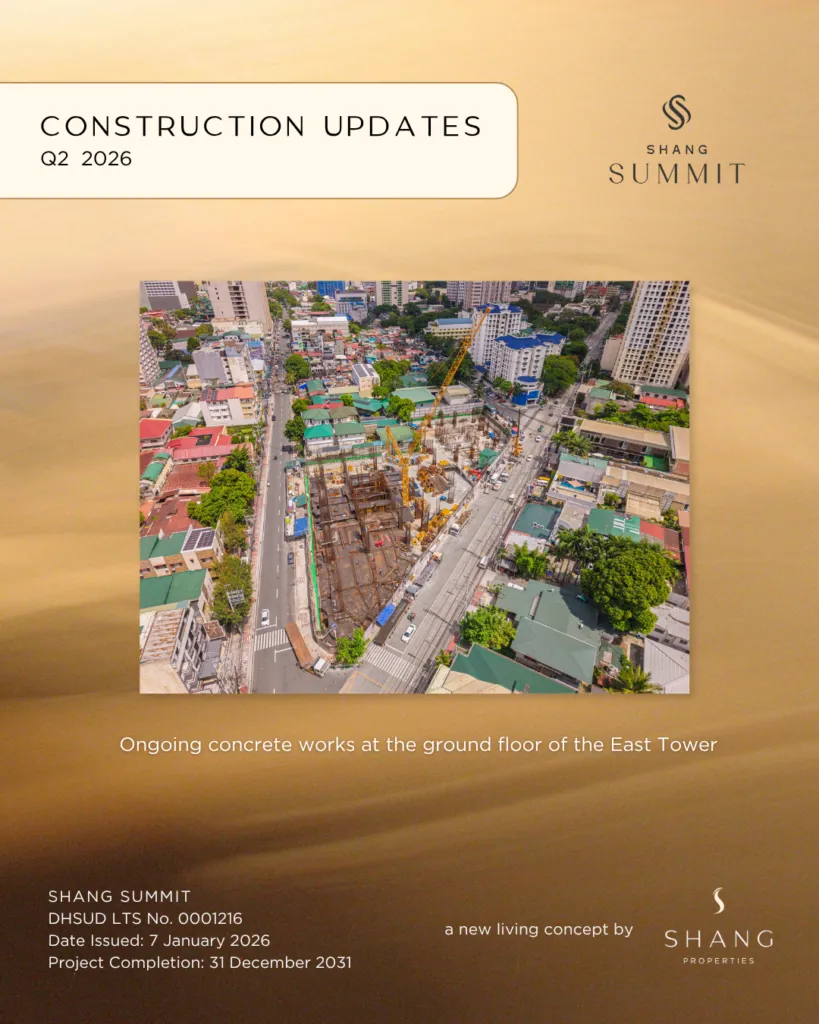
Most reputable developers, including Shang Properties, provide monthly or quarterly reports, photos, or virtual walkthroughs.
Regularly reviewing these updates allows you to identify potential delays or issues early and ask for clarifications promptly.
Prepare Financially for Completion
Double-check your mortgage approval or financing arrangements to ensure there are no last-minute issues. Preparing financially reduces stress and ensures you can complete the transaction on time, avoiding penalties or complications.
Keep All Records and Communications
Maintain a hard copy and digital archive of all contracts, receipts, specifications sheets, emails, and correspondence with the developer. These documents are essential if disputes arise or for reference when inspecting your unit during turnover. Organized records strengthen your ability to enforce your rights and ensure accountability from the developer.
Key Takeaway
Knowing how to minimize risks when booking a pre-selling condominium is about more than checking boxes—it’s about making informed, deliberate choices at every stage of the process.
As a rising luxury condominium in Manila, Shang Summit combines a prime location with proactive support. We walk buyers through every stage, from contract clarity to construction updates, ensuring your early investment turns into a confident, long-term home. Contact us today to secure your place in this exciting development.